
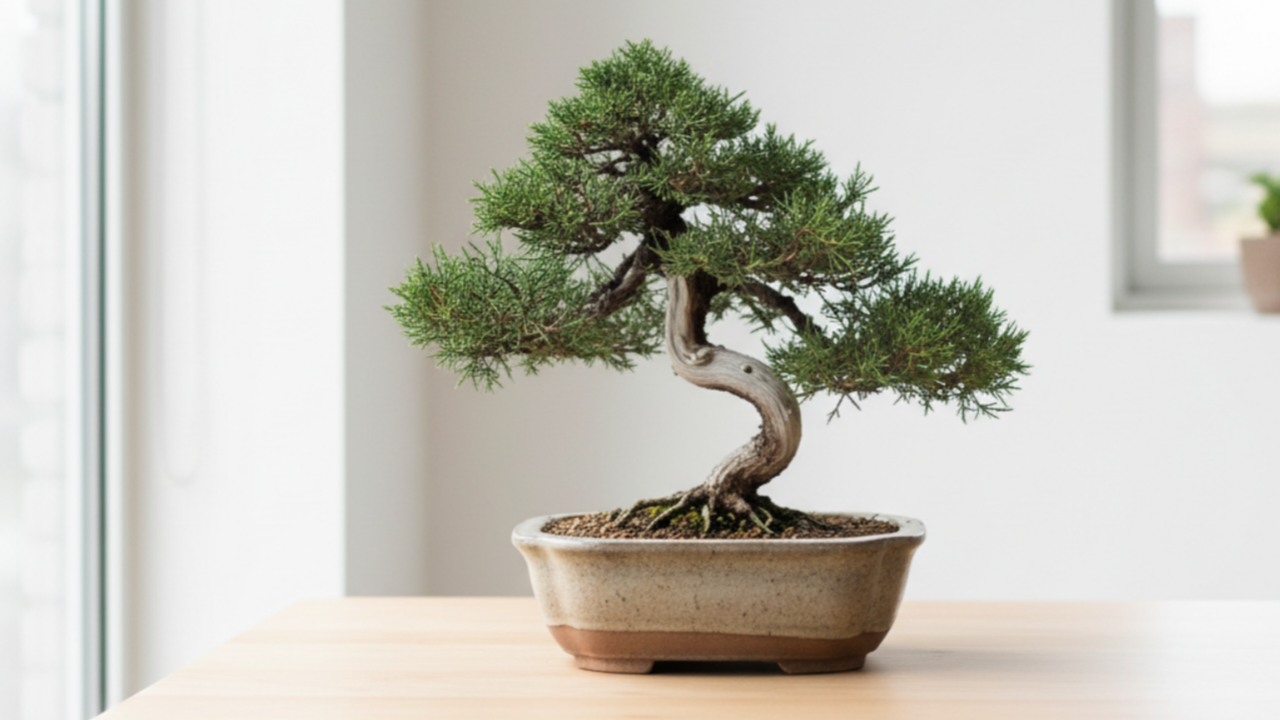
Growing a juniper bonsai can feel like nurturing a tiny forest in your own backyard. These small evergreen trees offer beginners an honest introduction to bonsai—they’re tough, forgiving, and beautiful when you learn their basic needs.
Many new growers make the same mistake I did when I started researching bonsai care. They assume these miniature trees work like houseplants. They don’t. A friend once told me about her first juniper bonsai that died within weeks because she kept it on her kitchen windowsill. That story stuck with me and shaped how I approach sharing information about these plants. Junipers need outdoor living, real sunlight, and seasonal cold. Once you understand this, everything else falls into place.
This guide walks you through every step of juniper bonsai care. You’ll learn which species work best for beginners, how to water and feed your tree properly, and what tools you actually need. No fluff, no confusing terms—just clear instructions that help you keep your bonsai alive and thriving.
What Makes Juniper Bonsai Special
Junipers belong to a large family of evergreen trees and shrubs. They’ve been used in bonsai for hundreds of years, especially in Japan and China. What makes them stand out is their natural ability to handle tough conditions and their willingness to be shaped into beautiful forms.
Why Beginners Choose Junipers
These trees are popular with newcomers for good reasons. They’re evergreen conifers that stay green year-round, so you don’t worry about seasonal leaf drop. They handle pruning and wiring better than many other species, which means your early mistakes won’t usually kill the tree.
Junipers show hardiness and require relatively low maintenance, making them ideal for people still learning basic care routines. They also respond well to training, allowing you to create different styles as your skills improve. You can shape them into cascading forms, upright styles, or windswept designs.
The texture of juniper foliage adds visual interest. Some varieties have needle-like leaves, while others develop scale-like foliage as they mature. This variety gives you options depending on what look you prefer. Their bark also becomes more attractive with age, developing reddish-brown tones and interesting texture.
Common Juniper Species for Bonsai
Several species work well for bonsai, including Chinese juniper (Juniperus chinensis), Japanese Shimpaku (Juniperus sargentii), Japanese needle juniper (Juniperus rigida), the savin (Juniperus sabina), and common juniper (Juniperus communis).
Juniperus procumbens nana (Japanese Garden Juniper) is the most common choice for beginners. This variety has a naturally gnarled appearance with twisting trunks and delicate, scale-like foliage. It grows relatively slowly, which gives you time to learn shaping techniques without the tree outgrowing your plans.
Chinese Juniper offers another excellent option. It develops attractive scale-like foliage and responds well to various training techniques. This species can tolerate a wider range of conditions than some other junipers.
Shimpaku Juniper is prized by experienced growers but also works for dedicated beginners. It produces bright green, soft foliage and develops reddish-brown bark that becomes more beautiful with age. The foliage stays dense and compact, creating a refined appearance.
Each species has slightly different needs, but they all share the same basic care requirements that we’ll cover in the following sections.
Essential Requirements for Juniper Bonsai
Understanding what junipers need is more important than having expensive tools or fancy pots. These trees have non-negotiable requirements, and meeting them determines whether your bonsai thrives or struggles.
Outdoor Living is Non-Negotiable
Here’s the most important rule: junipers cannot live indoors. This surprises many beginners who see bonsai in stores labeled as “indoor” plants. Those labels are wrong when it comes to junipers.
These trees evolved outdoors. They need real sunlight, fresh air movement, and seasonal temperature changes to stay healthy. Place your juniper in a bright outdoor spot where it receives several hours of direct sun daily, such as a sunny patio, balcony, or garden. The tree can handle full sun in most climates.
Even in winter, junipers need to stay outside. They require a dormancy period with cold temperatures. Most locations can keep them outdoors year-round, but you should mulch, cover, or bring the tree to a cold indoor spot if temperatures frequently drop below 15°F (-10°C). A cold garage or unheated shed works well for extreme cold protection, but the tree still needs outdoor living for most of the year.
Sunlight Needs
Juniper bonsai thrive in bright outdoor locations with at least 4-6 hours of direct sunlight daily to support robust growth and healthy foliage. More sun generally produces better results. The tree uses this light to create energy through photosynthesis, which keeps the foliage dense and the color vibrant.
Morning sun tends to be gentler than harsh afternoon sun in hot climates. If you live somewhere with intense summer heat, providing some afternoon shade can prevent stress. Watch your tree’s foliage—if it starts turning yellow or brown at the tips, it might be getting too much intense heat without enough water.
Watering Your Juniper Bonsai
Watering kills more bonsai than any other care mistake. Not because it’s complicated, but because people either underwater or overwater based on schedules instead of actual need.
How to Water Correctly
Junipers are more vulnerable to overwatering than mild thirst. Plant your tree in well-draining soil, water thoroughly, and allow the soil to dry out completely between watering. However, your tree will still suffer if exposed to prolonged dryness.
This means you need to check the soil before watering. Stick your finger about an inch into the soil. If it feels dry at that depth, water thoroughly. If it still feels moist, wait another day and check again.
When you do water, do it right. Water slowly until water runs out the drainage holes at the bottom of the pot. This ensures the entire root system gets moisture. Don’t just sprinkle the surface—that creates shallow roots and weak trees.
Seasonal Watering Patterns
Your watering schedule changes with the seasons. In summer, when temperatures are high and the tree grows actively, you might need to water once or twice daily. The small pot size means soil dries quickly in hot weather.
In winter, the tree needs much less water. It enters dormancy and uses less moisture. You might only water once a week or less, depending on your climate. Rain might handle most of winter watering for you.
Always adjust based on conditions, not a fixed schedule. Hot, windy days dry soil faster. Cool, cloudy days mean soil stays moist longer. Your job is to read what the tree needs, not follow a calendar.
Soil and Potting Requirements
The right soil makes everything else easier. Good soil drains well while still holding enough moisture to keep roots healthy between watering.
Best Soil Mix for Junipers
A good soil contains lots of organic matter such as coco coir along with perlite or vermiculite to help with drainage. Adding a handful of perlite to regular store-bought potting soil can work.
However, specialized bonsai soil works better for most growers. These mixes typically combine akadama (a Japanese clay), pumice, and lava rock in various ratios. The particles create air spaces that let roots breathe while preventing waterlogging.
For beginners, a mix of 40% akadama, 30% pumice, and 30% lava rock works well for junipers. You can also use quality commercial bonsai soil designed for conifers. Avoid regular potting soil by itself—it holds too much water and doesn’t provide enough drainage.
When and How to Repot
Young junipers need repotting every two to three years. Older, mature trees can go three to five years between repots. You repot to refresh the soil and trim roots that have filled the pot.
The best time to repot is early spring, just before new growth starts. The tree recovers quickly during this period. Here’s the basic process:
- Remove the tree from its pot carefully
- Gently comb out the outer roots with a root hook
- Trim away about one-third of the root mass, focusing on thick roots growing downward
- Place fresh soil in the pot and position the tree
- Fill remaining spaces with soil, working it between roots
- Water thoroughly and keep in a shaded spot for a few weeks
Don’t fertilize for at least a month after repotting. The tree needs time to recover and establish new root growth.
Feeding Your Juniper Bonsai
Fertilizer provides nutrients the small pot can’t supply naturally. Junipers need regular feeding during the growing season but require less in winter.
Fertilizer Types and Application
Use a balanced fertilizer designed for bonsai or general-purpose plant food. Organic fertilizers like fish emulsion or liquid kelp work well. Chemical fertilizers labeled 10-10-10 or 20-20-20 (nitrogen-phosphorus-potassium) also provide good results.
Apply fertilizer every two to four weeks during spring and summer when the tree grows actively. Reduce feeding to once a month in fall. Stop fertilizing in winter when the tree is dormant.
Always follow the package directions for dilution. It’s better to fertilize more often at half strength than to use full strength less frequently. This prevents fertilizer burn and provides steady nutrition.
Newly repotted trees shouldn’t receive fertilizer for four to six weeks. Their roots need time to heal and establish before processing nutrients.
Signs of Nutrient Problems
Yellow foliage can indicate too little nitrogen. Weak, thin growth suggests overall nutrient deficiency. However, these symptoms can also mean watering problems or root issues, so don’t automatically assume you need more fertilizer.
If you’ve been fertilizing regularly and the tree still shows poor growth, check the roots during the next repotting. Root problems prevent nutrient uptake even when fertilizer is present.
Pruning and Shaping Techniques
Pruning keeps your juniper looking like a bonsai instead of a small bush. It also maintains the tree’s health by removing dead growth and improving air circulation.
Basic Pruning Methods
Junipers have two types of foliage. They can develop needle-like foliage and scale-like foliage. Your pruning approach depends partly on which type your tree displays.
For maintenance pruning, pinch back new growth with your fingers or sharp scissors. Remove shoots that grow too long or in unwanted directions. This encourages back-budding, where new growth emerges closer to the trunk.
Avoid cutting into old wood without foliage. Junipers don’t easily produce new growth from bare branches. Always leave some green foliage on every branch you keep.
Remove dead foliage regularly. Brown, brittle growth doesn’t recover and should be cleaned out to prevent disease and improve appearance. Use tweezers or your fingers to pluck it away.
Wiring for Shape
Wiring lets you bend branches into desired positions. Junipers accept wiring well and hold their shape after the wire is removed.
Use aluminum or copper wire thick enough to hold the branch but not so thick it’s hard to work with. Wrap wire at a 45-degree angle along the branch, starting from the trunk and working outward.
Don’t wrap too tightly—the wire should hold the branch but not cut into the bark. You can then gently bend the branch to the desired position.
Leave wire on for several months to a year, depending on branch thickness and how much you bent it. Check regularly to ensure the wire isn’t cutting into growing bark. Remove wire before it damages the tree, even if the branch hasn’t fully set.
When to Prune
Spring and early summer are ideal for major pruning. The tree recovers quickly during these periods of active growth. Light maintenance pruning can happen throughout the growing season.
Avoid heavy pruning in fall or winter. The tree can’t recover as quickly, and cuts may not heal properly before dormancy.
Common Problems and Solutions
Even with good care, problems can arise. Recognizing issues early makes them easier to fix.
Browning Foliage
Brown needles or tips usually indicate one of three problems: underwatering, overwatering, or winter damage.
If the soil is bone dry and foliage is crispy, you’ve underwatered. Soak the pot thoroughly and adjust your watering routine. If soil stays soggy and foliage browns from the inside out, you’re overwatering. Improve drainage and water less frequently.
Winter damage shows up as brown patches, usually on one side of the tree. This happens when harsh wind or extreme cold kills foliage. Trim away dead growth in spring.
Pests and Diseases
Spider mites can attack junipers, especially in hot, dry conditions. You’ll see fine webbing and yellowing foliage. Spray the tree with water to dislodge mites, or use insecticidal soap.
Scale insects look like small bumps on branches. They suck sap and weaken the tree. Scrape them off or use horticultural oil.
Fungal issues are less common but can occur in humid conditions with poor air circulation. Remove affected growth and improve air flow around the tree.
Indoor Damage
If someone tells you their juniper died suddenly, it was probably kept indoors. Junipers cannot live indoors. Indoor conditions lack proper light, air circulation, and temperature changes. The tree slowly weakens, then declines rapidly.
If you’ve been keeping your juniper inside, move it outside immediately. It might recover if the damage isn’t too severe, but success depends on how long it was indoors and its current condition.
Tools You Actually Need
Bonsai supply companies sell hundreds of specialized tools. You don’t need most of them when starting out.
Essential Beginner Tools
Start with these basics:
- Sharp scissors or shears for pruning small branches and foliage
- Wire cutters for removing training wire without damaging branches
- Root hook or chopstick for working soil around roots during repotting
- Watering can with fine spout for gentle, thorough watering
Regular household scissors work fine initially. As you develop your skills, you might want to invest in proper bonsai shears that make cleaner cuts.
Nice to Have (But Not Required)
Once you’re committed to the hobby, consider adding:
- Concave branch cutters for removing larger branches with clean wounds
- Jin pliers for creating deadwood features
- Bonsai wire in various gauges
- Root pruning shears for repotting
Don’t feel pressure to buy everything at once. Many successful growers work with minimal tools for years.
Seasonal Care Guide
Juniper care changes throughout the year. Understanding these shifts helps you provide what the tree needs when it needs it.
Spring Care
Spring brings active growth. Provide regular feeding and daily water during warm months if the soil is dry. This is the best time for repotting if your tree needs it.
Begin fertilizing as temperatures warm and growth starts. Watch for new shoots and pinch them back to maintain shape. Wire branches in spring if you’re planning major styling work.
Summer Care
Summer demands the most attention. Water frequently—possibly twice daily in hot weather. Continue regular fertilizing every two to four weeks.
Provide afternoon shade if your climate has intense heat. Watch for pests, which become more active in warm weather. Light pruning maintains shape throughout summer.
Fall Care
Growth slows in fall. Reduce fertilizing to once a month, then stop completely by late fall. Water less frequently as the tree prepares for dormancy.
This is a good time for light pruning to clean up the tree before winter. Don’t do major work—save that for spring.
Winter Care
Junipers handle temperatures well below freezing for much of winter without issue if properly protected. Keep the tree outside in most conditions.
Water only when soil dries out—this might be once a week or less. Don’t fertilize at all. Protect from harsh winds and extreme cold if necessary, but maintain outdoor living.
Check the soil occasionally to ensure it isn’t completely dry, but don’t worry about regular watering like you do in summer.
Styling Your First Juniper Bonsai
Creating an attractive bonsai shape takes time and patience. Don’t expect instant results—this is part of the appeal.
Choosing a Front
Look at your tree from all angles. Choose the side that shows the best trunk movement and branch structure. This becomes the front—the viewing angle you’ll develop.
The front typically shows trunk taper (wider at the base, narrower at the top) and interesting movement. Avoid sides where branches point directly at the viewer or where the trunk appears flat.
Basic Design Principles
A few principles guide most bonsai styling:
- Trees should look balanced but not symmetrical
- The trunk should lean slightly in one direction for natural appearance
- Branches should alternate sides, not stack directly on top of each other
- The first major branch is typically one-third up the trunk
- Empty space is as important as foliage—don’t fill every gap
Study pictures of wild junipers and established bonsai. Notice how branches move, where foliage clusters, and how negative space creates interest.
Starting Simple
Begin by removing obvious problems: dead branches, branches that cross the trunk, and growth pointing downward. This cleanup immediately improves appearance.
Next, identify three to five main branches you want to keep and develop. Remove or shorten competing branches. Wire these main branches to create gentle curves and position them at good angles.
Don’t try to create a masterpiece in one session. Work gradually, letting the tree recover between major styling sessions. Your skills and vision will develop alongside the tree.
Where to Buy Your First Juniper Bonsai
Finding a healthy starter tree matters more than finding the perfect specimen. Healthy trees recover from beginner mistakes; stressed trees don’t.
Local Sources
Bonsai nurseries and specialty plant shops offer the best selection. Staff can answer questions and help you choose an appropriate tree. You can inspect the tree in person, checking for health issues before buying.
Garden centers sometimes carry bonsai, particularly junipers. Quality varies widely—look carefully at foliage color and density. Avoid trees with lots of brown, dead growth.
Online Options
Many reputable bonsai suppliers ship trees. Look for companies that specialize in bonsai, not general plant retailers. Check reviews from other buyers.
Understand that shipping stress can set trees back temporarily. Even healthy trees may show some needle browning after shipping. Give new arrivals time to adjust before judging their condition.
What to Look For
Choose trees with:
- Dense, green foliage (some interior brown is normal, but most foliage should be healthy)
- Good trunk movement or interesting features
- Multiple branches at different heights
- Solid roots that don’t wobble in the pot
- No major dead sections or disease signs
Avoid trees with:
- Mostly brown foliage
- Straight, boring trunks (unless you want a big project)
- Visible root rot or mushy roots
- Heavy pest infestations
- Wire cutting into bark (shows neglect)
Frequently Asked Questions
Before you get started with your first juniper bonsai, you probably have specific questions. Here are answers to the most common concerns new growers face.
Can I keep a juniper bonsai on my desk or windowsill?
No. Junipers cannot live indoors. They need outdoor conditions with real sunlight, fresh air, and seasonal temperature changes. Indoor conditions will slowly kill any juniper, even near a sunny window. If you want an indoor bonsai, choose a tropical species like ficus instead.
How often should I water my juniper bonsai?
There’s no fixed schedule. Water thoroughly when the soil dries out, but allow it to dry completely between watering. In summer, this might mean daily or twice daily. In winter, once a week or less. Check the soil by feeling it—if it’s dry an inch down, it’s time to water.
Why is my juniper turning brown?
Brown foliage usually means watering problems (too much or too little), winter damage from harsh conditions, or stress from being kept indoors. Check your watering habits first. Make sure the tree lives outside year-round. Trim away dead brown growth—it won’t recover.
When is the best time to prune my juniper?
Spring and early summer work best for major pruning when the tree grows actively and recovers quickly. Light maintenance pruning can happen throughout the growing season. Avoid heavy pruning in fall or winter when the tree can’t recover as efficiently.
How do I know if my juniper bonsai is healthy?
Healthy junipers have dense green foliage, with minimal browning. New growth appears regularly during spring and summer. The tree responds to pruning with back-budding. Roots are white or light-colored when you check during repotting, not brown and mushy.
Do junipers need winter protection?
They can stay outdoors year-round in most locations, but mulch, cover, or bring to a cold indoor spot if temperatures frequently drop below 15°F (-10°C). They need winter dormancy, so don’t bring them into heated spaces. An unheated garage or shed works for extreme cold protection.
What’s the difference between scale and needle foliage?
Junipers can develop both needle-like and scale-like foliage. Juvenile junipers typically have sharp needle foliage. As they mature, many develop softer scale-like foliage that lies flat against branches. Some varieties transition between both types. Scale foliage generally looks more refined on mature bonsai.
Can I grow a juniper bonsai from a cutting?
Yes, but it takes patience. Take cuttings in summer from semi-hardwood growth. Remove lower foliage, dip in rooting hormone, and plant in well-draining soil. Keep moist and protected from direct sun. Roots develop in several months. However, buying a started tree is easier for beginners.
Final Thoughts
Growing a juniper bonsai teaches you to observe, adjust, and respond to a living thing’s needs. These trees don’t require perfection—they need consistency and attention to their basic requirements.
The most successful beginner growers are those who accept that learning takes time. You’ll make mistakes. A branch might die back after awkward wiring. You might forget to water on a hot day. These moments teach you more than any guide can. What matters is whether you keep trying and adjusting your approach based on what you observe.
Lloyd Noall, a bonsai expert with four decades of experience, emphasizes simple, consistent care over complicated techniques. His tried-and-true tips focus on proper light, outdoor placement, and regular attention to basic needs. This approach works for beginners because it builds good habits that support any bonsai you grow later.
Start with one healthy tree. Learn its patterns through the seasons. Notice how it responds to your care. This relationship between grower and tree is what makes bonsai meaningful. Your juniper becomes a living record of your developing skills and understanding.
Get your tree, put it outside in good light, water when the soil dries, and enjoy watching it respond to your care. Everything else you need to know will become clear as you spend time with your bonsai.